Food Waste Composting Machine for Hospitals in India
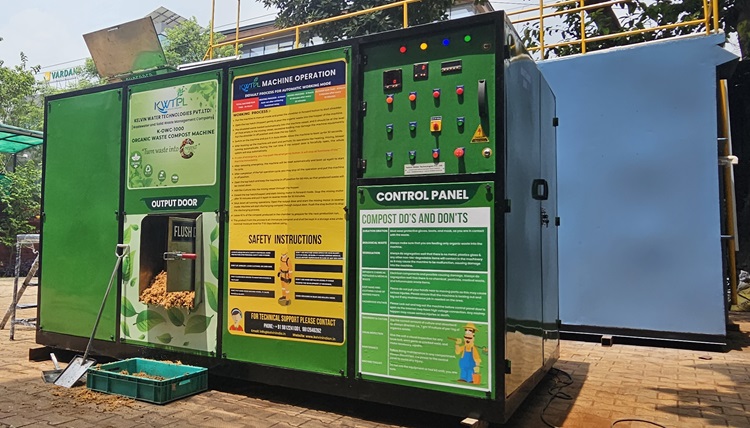
Hospitals in India generate a significant amount of food waste every day from patient meals, staff cafeterias, canteens, and guest services. Leftover food, vegetable peels, expired kitchen items, and plate waste together form a major portion of hospital solid waste. If not managed properly, food waste can lead to foul odours, pest infestation, hygiene issues, and non-compliance with waste management regulations.
A Food Waste Composting Machine for hospitals offers a sustainable, hygienic, and regulation-compliant solution to this growing challenge.
Growing Food Waste Challenge in Indian Hospitals
Indian hospitals operate 24/7 and serve hundreds to thousands of meals daily. Large multi-specialty hospitals, government medical colleges, and private healthcare facilities generate food waste ranging from 50 kg to over 1,000 kg per day. Traditionally, this waste is sent to landfills or handed over to municipal bodies, which creates several issues:
- Increased landfill burden
- Higher waste disposal costs
- Risk of cross-contamination
- Poor hygiene and odour problems
- Non-compliance with Solid Waste Management Rules, 2016
What Is a Food Waste Composting Machine?
A food waste composting machine is an automated system that converts organic food waste into nutrient-rich compost through controlled biological processes. These machines use a combination of microbial culture, heat, aeration, and mechanical mixing to decompose food waste quickly and efficiently.
For hospitals, these machines are designed to be:
- Fully enclosed
- Odor-free
- Hygienic
- Easy to operate
- Safe for medical environments
Why Hospitals in India Need Food Waste Composting Machines?
1. Compliance with Indian Waste Management Rules
According to the Solid Waste Management Rules, 2016, bulk waste generators such as hospitals must process organic waste at the source. Installing a food waste composting machine ensures legal compliance and avoids penalties.
2. Improved Hygiene and Infection Control
Food waste stored for long durations attracts insects, rodents, and bacteria. Composting machines reduce waste volume immediately, improving sanitation and lowering infection risks within hospital premises.
3. Reduction in Waste Disposal Costs
By composting food waste on-site, hospitals significantly reduce transportation and landfill dumping charges. Over time, this leads to substantial cost savings.
4. Environmental Sustainability
On-site composting reduces greenhouse gas emissions caused by landfill dumping and transportation. It supports hospitals in achieving green building certifications and sustainability goals.
5. Useful Compost Output
The final compost can be safely used for:
- Hospital gardens and landscaping
- Green belts around the facility
- CSR initiatives and community distribution
Key Features of Food Waste Composting Machines for Hospitals
A hospital-grade food waste composting machine in India typically includes:
- Stainless steel construction for durability and hygiene
- Automatic feeding and mixing system
- Odor control mechanism with exhaust filters
- Thermal insulation for faster composting
- Low noise operation suitable for hospital environments
- PLC or microcontroller-based automation
- Minimal manual handling
Types of Food Waste Suitable for Hospital Composting
Hospital food waste composting machines can process:
- Leftover cooked food
- Rice, chapati, bread
- Vegetable and fruit peels
- Canteen waste
- Expired food items (non-packaged)
- Plate waste from patients and staff
Capacity Selection for Hospitals
Choosing the right capacity is crucial. Common capacities available in India include:
- 50 kg/day – Small clinics, nursing homes
- 100–200 kg/day – Medium hospitals
- 300–500 kg/day – Large multi-specialty hospitals
- 1000 kg/day and above – Medical colleges & large healthcare campuses
Role of Kelvin Water Technologies in Food Waste Composting Solutions
Kelvin Water Technologies is a well-established manufacturer and solution provider in the field of waste management and environmental engineering in India. The company offers advanced food waste composting machines specially designed for hospitals, healthcare facilities, and institutional kitchens.
Kelvin Water Technologies focuses on:
- Robust machine design for continuous operation
- Energy-efficient systems
- Low maintenance requirements
- Compliance with Indian environmental standards
- Custom-built solutions based on hospital size and waste volume
Advantages of Choosing Kelvin Water Technologies Composting Machines
- Hospital-friendly, odor-free operation
- Fully automatic and user-safe systems
- Durable materials suitable for Indian conditions
- Compact footprint for space-constrained hospitals
- Strong technical support and AMC services
- Proven installations across India
Installation and Maintenance Considerations
Installing a food waste composting machine in a hospital requires:
- Designated waste collection area
- Electrical connection
- Proper ventilation
- Trained staff for basic operation
Conclusion
A Food Waste Composting Machine for hospitals in India is no longer an optional investment—it is a necessity for sustainable, hygienic, and compliant healthcare operations. With increasing regulatory pressure and environmental responsibility, hospitals must adopt on-site organic waste treatment solutions.
By converting food waste into valuable compost, hospitals can reduce disposal costs, improve hygiene, and contribute positively to environmental conservation.
With its expertise and reliable technology, Kelvin Water Technologies plays a crucial role in helping Indian hospitals transition toward efficient and eco-friendly food waste management systems.