Effluent Treatment Plant for Pharmaceutical Industry
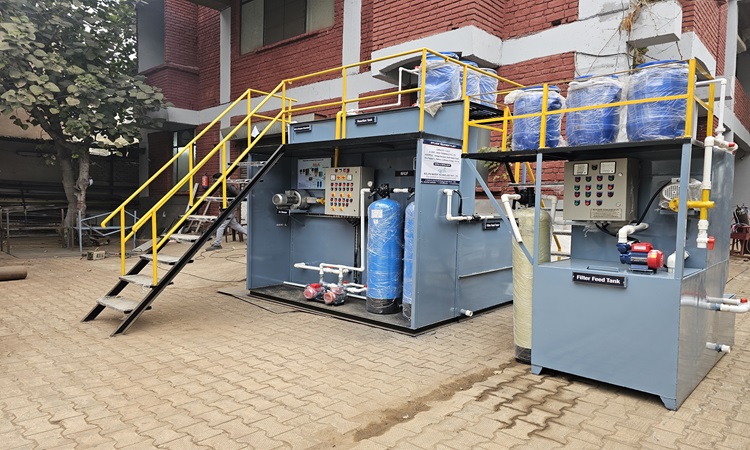
The pharmaceutical sector is one of the fastest-growing industries in India and across the globe. While it plays a crucial role in developing life-saving medicines, it also generates a significant amount of complex wastewater containing organic pollutants, toxic chemicals, solvents, antibiotics, active pharmaceutical ingredients (APIs), and suspended solids. To manage this waste safely, industries rely on a highly specialized system known as an effluent treatment plant for pharmaceutical industry.
This type of treatment plant is engineered to handle high COD, BOD, TDS, pathogens, and hazardous chemical load, ensuring wastewater meets environmental discharge norms set by the Pollution Control Board. A robust and well-designed ETP is not just a regulatory requirement but also a step toward sustainability, public health protection, and brand reputation.
Why Pharmaceutical Effluent Is Difficult to Treat?
Wastewater from pharma manufacturing is much more complex compared to typical industrial effluent. The difficulty arises due to:
1. High Concentration of Chemicals
Drug manufacturing uses solvents, acids, alkalis, intermediates, antibiotics, and synthetic chemicals that significantly raise COD and toxicity levels.
2. Presence of APIs (Active Pharmaceutical Ingredients)
APIs do not degrade easily and require special treatment methods such as advanced oxidation processes.
3. Variation in Effluent Characteristics
Different drugs produce different types of wastewater, making it essential for the effluent treatment plant for pharmaceutical industry to have flexible and multi-stage treatment modules.
4. High TDS and Organic Load
Salts, residual chemicals, and organic compounds increase the complexity of the treatment process.
5. Potential Environmental and Health Risks
Untreated pharmaceutical wastewater can cause antibiotic resistance, disrupt aquatic ecosystems, and contaminate groundwater.
Key Objectives of an Effluent Treatment Plant for Pharmaceutical Industry
The main purpose of a pharmaceutical ETP includes:
- Reducing BOD, COD, TSS, TDS, and toxicity.
- Removing APIs and hazardous chemical compounds.
- Ensuring treated water meets CPCB & SPCB norms.
- Reducing environmental footprint.
- Supporting water reuse & recycling to cut freshwater demand.
- Protecting human health & ecosystem balance.
Stages of Treatment in Pharmaceutical ETP
A pharmaceutical wastewater treatment plant typically includes physical, chemical, and biological processes. The following steps are crucial:
1. Preliminary Treatment
- Screening for removing large particles.
- Oil & grease traps.
- Equalization tanks for flow stabilization.
2. Primary Treatment
- Coagulation and flocculation.
- Clarification to remove suspended solids.
- Neutralization for pH correction.
3. Secondary (Biological) Treatment
Biological processes help break down biodegradable organic matter:
- Activated sludge process (ASP)
- MBBR (Moving Bed Biofilm Reactor)
- SBR (Sequential Batch Reactor)
- MBR (Membrane Bioreactor) for high-quality output
4. Tertiary Treatment
To meet stringent discharge norms:
- Activated carbon filters
- Sand filters
- RO (Reverse Osmosis)
- UV disinfection or chlorination
- Advanced Oxidation Processes (AOPs)
5. Sludge Management
Handling sludge safely to prevent secondary pollution is mandatory. Methods include:
- Filter press
- Centrifuges
- Sludge drying beds
Advantages of Effluent Treatment Plant for Pharmaceutical Industry
1. Compliance with Pollution Control Norms: A properly designed ETP helps pharma companies comply with CPCB, SPCB, and environmental laws.
2. Safe and Sustainable Operations: The plant ensures wastewater does not harm the environment or community health.
3. Cost-Effective Water Reuse
With tertiary and advanced treatment, industries can recycle water for:
- Cooling towers
- Utility cleaning
- Gardening
- Boiler feed (based on purity)
4. Improved Brand Reputation: Sustainable practices contribute to corporate social responsibility (CSR) and enhance brand image.
5. Reduced Environmental Impact: ETPs help minimize the discharge of hazardous pharmaceutical chemicals into water bodies.
Why Choose Kelvin Water Technologies for Pharmaceutical ETPs?
Kelvin Water Technologies Pvt. Ltd. is one of India’s leading manufacturers and solution providers of wastewater treatment systems, especially the effluent treatment plant for pharmaceutical industry. With decades of expertise, cutting-edge technology, and a strong engineering background, Kelvin offers customized, efficient, and eco-friendly ETP solutions.
Key Features of Kelvin Water Technologies’ ETP Systems
1. Customized Design
Every pharmaceutical unit generates different types of effluent. Kelvin designs tailor-made ETP systems suited to the exact wastewater characteristics.
2. Use of Advanced Technologies
Kelvin integrates:
- MBR
- MBBR
- SBR
- ZLD solutions
- RO and AOP treatment modules
for maximum treatment efficiency.
3. High Performance & Low Operating Cost
Machines and systems are built with durable components that ensure long service life and low maintenance costs.
4. Compliance Assurance
All systems are designed to meet the strict norms prescribed by:
- CPCB
- State Pollution Control Boards
- Environmental regulations for pharma industries
5. End-to-End Services
Kelvin provides:
- System design
- Manufacturing
- Installation
- Commissioning
- AMC & operation support
6. Expertise in ZLD (Zero Liquid Discharge)
Many pharmaceutical industries require ZLD to avoid any discharge. Kelvin offers advanced ZLD systems with:
- Multi-effect evaporators
- Crystallizers
- RO stages
- Advanced filtration
Applications of Pharmaceutical ETPs
Effluent treatment systems are used across various segments of the pharma sector, including:
- Bulk drug manufacturing
- Formulation plants
- API units
- Research & development labs
- Biotech & fermentation industries
- Chemical synthesis plants
- Ayurvedic / Herbal medicine units
Conclusion
An effluent treatment plant for pharmaceutical industry is an essential component for ensuring environmental safety, legal compliance, and sustainable operations. With the increasing production of medicines and APIs, the complexity of wastewater is also rising, making advanced treatment technologies crucial.
Kelvin Water Technologies stands as a trusted partner for pharma companies, offering innovative, energy-efficient, and customized ETP solutions that meet stringent environmental regulations and support water recycling and reuse.
Investing in a reliable pharmaceutical ETP not only safeguards the environment but also strengthens long-term operational efficiency and brand credibility. If you are looking for a high-performance ETP tailored to pharmaceutical wastewater, Kelvin Water Technologies provides the expertise and advanced technology needed for complete wastewater management.