Effluent Treatment Plant for Food Processing Industry
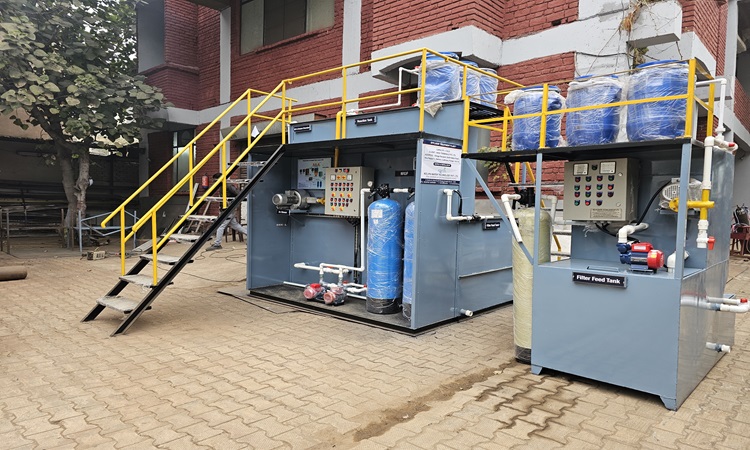
The food processing industry transforms raw agricultural products into consumable food items — from dairy, beverages, and meat to snacks, oils, and packaged foods. While essential for global food supply chains, these operations generate significant wastewater and pollutants that require strict regulatory compliance and sustainable management. This makes the Effluent Treatment Plant a core component of any modern food processing facility.
Why ETP Matters in Food Processing?
The wastewater from food processing plants contains a mixture of organic matter, suspended solids, high Biochemical Oxygen Demand (BOD) and Chemical Oxygen Demand (COD), oils & grease, food residues, nutrients (like nitrogen and phosphorus), and sometimes cleaning agents. If discharged untreated or inadequately treated, this effluent can:
- Pollute water bodies
- Harm aquatic ecosystems
- Lead to heavy fines or legal issues
- Increase operational costs due to regulatory non-compliance
Characteristics of Wastewater in Food Processing
Understanding wastewater characteristics is crucial for designing an effective ETP:
High Organic Load
Food waste, sugars, and proteins drive elevated BOD and COD values.
Suspended Solids
Food particles, cereals, and pulp often lead to high TSS (Total Suspended Solids).
Oils and Grease
Lipids from dairy, oils from cooking, and fats from meat can form a greasy layer, complicating treatment.
Variable pH
Some sections of the plant (like canning or cleaning processes) might discharge slightly acidic or alkaline wastewater.
Nutrients
Nitrogen and phosphorus from proteinaceous waste streams contribute to eutrophication if untreated.
Core Components of an ETP for Food Processing
A typical ETP designed for a food processing plant includes the following sequential stages:
1. Preliminary Treatment
- Screening: Removes large solids like packaging, fibers, plastic, and debris.
- Grit Chamber/Settling Tank: Settles out heavy inorganic particles.
2. Primary Treatment
- Equalization Tank: Balances the fluctuations in flow and pollutant load.
- Oil and Grease Trap: Separates free oils using gravity separators.
3. Secondary (Biological) Treatment
The biological phase focuses on degrading dissolved organic matter.
1. Activated Sludge Process (ASP)
A conventional aerobic method wherein microorganisms consume organic pollutants under oxygenated conditions.
2. Moving Bed Biofilm Reactor (MBBR)
Biofilm carriers increase microbial surface area, enhancing efficiency with a smaller footprint.
3. Sequencing Batch Reactor (SBR)
A time-based batch reactor that conducts fill, react, settle, and decant in a single tank.
Each biological process has pros and cons. The choice depends on effluent characteristics, space availability, and influent load.
4. Tertiary Treatment
When higher standards are required — especially for reuse — tertiary processes remove remaining nutrients and pathogens.
- Sand/Activated Carbon Filters
- Disinfection (Chlorination / UV / Ozonation)
- Nutrient Removal Units
5. Sludge Management
An equal focus must be placed on handling the biological sludge generated from treatment.
- Thickening
- Dewatering
- Safe Disposal or Use as Soil Conditioner
Customized ETP Designs for Different Food Processing Sectors
Each segment within the food industry may require tailored designs.
Dairy and Beverage Plants
Often produce high-BOD effluent with fats, proteins, and sugars. Anaerobic digestion coupled with aerobic polishing is commonly effective.
Meat and Poultry Processing
Characterized by large amounts of organic solids, fats, and blood. Grease traps and robust primary settling are essential.
Edible Oils and Fats Industry
Extremely high oil content demands specialized oil separation technologies before biological treatment.
Canning and Sauces
Variable pH and high organic loads call for equalization tanks and adjustable biological systems.
Bakery and Confectionery
Lower fat levels but significant soluble organics — suited for MBBR or SBR systems.
Key Design Considerations for Food Industry ETP
A well-engineered ETP should consider:
- Flow variability
- Peak load management
- Energy efficiency
- Ease of operation and maintenance
- Footprint constraints
- Future expansion flexibility
- Sludge disposal options
- Regulatory discharge limits
Benefits of a Well-Designed ETP
Regulatory Compliance
Ensures discharge meets local and national pollution control standards.
Environmental Stewardship
Protects water bodies and preserves ecological balance.
Water Reuse
Treated water can be reused for non-potable purposes such as cooling, cleaning, or irrigation.
Cost Savings
Reduces freshwater usage, lowers effluent discharge fees, and avoids fines.
Corporate Reputation
Demonstrates commitment to sustainability — a key stakeholder expectation.
Kelvin Water Technologies: Solutions for Food Processing ETP
Kelvin Water Technologies Pvt. Ltd (KWTPL) is a leading manufacturer and supplier of Effluent Treatment Plants tailored for the food processing industry. With decades of experience and a strong engineering backbone, Kelvin Water Technologies provides customized wastewater solutions that meet stringent environmental standards and operational expectations.
Expertise in Customized ETP Solutions
KWTPL recognizes that no two food processing plants are alike. Their approach includes:
- Detailed site survey and effluent analysis
- Custom design based on wastewater load and composition
- Scalable and future-ready treatment trains
Advanced Biological Treatment Technologies
Kelvin implements a range of biological systems suited to food industry effluent, including:
- Activated Sludge Process (ASP)
- MBBR Technology for enhanced organic removal
- SBR for high-end treatment with controlled cycles
Integrated Treatment Stages
KWTPL’s ETPs incorporate comprehensive treatment phases:
- Screening and grit removal
- Equalization and pH balancing
- Oil-water separation
- Secondary biological treatment
- Tertiary polishing and disinfection
- Sludge management systems
Compliance and Sustainability
Kelvin’s solutions ensure compliance with local pollution control board standards such as CPCB and SPCB discharge norms. Their systems also emphasize:
- Low power consumption
- Reduced sludge generation
- High effluent reuse potential
After-Sales Support
Kelvin provides comprehensive service support including:
- Routine maintenance
- Performance monitoring
- Spare parts supply
- Operational training for plant staff
Choosing the Right ETP Partner
When selecting an ETP provider for a food processing facility, consider:
- Experience in food industry effluent treatment
- Ability to customize designs
- After-sales service infrastructure
- Track record and client testimonials
- Technology offerings and innovation
Conclusion
The food processing industry generates complex wastewater that requires robust, efficient, and sustainable treatment. Implementing a well-engineered Effluent Treatment Plant not only ensures regulatory compliance but also drives cost savings, water reuse, and enhanced corporate accountability.
From screening and primary settling to advanced biological treatment and tertiary polishing, every stage must be tailored to the specific effluent profile of the operation. With its proven expertise, technological depth, and client-centric approach, Kelvin Water Technologies stands out as a trusted partner in designing, deploying, and maintaining high-performance ETP solutions for food processing industries of all scales.