Baler Machine for Plastic Bottles in India
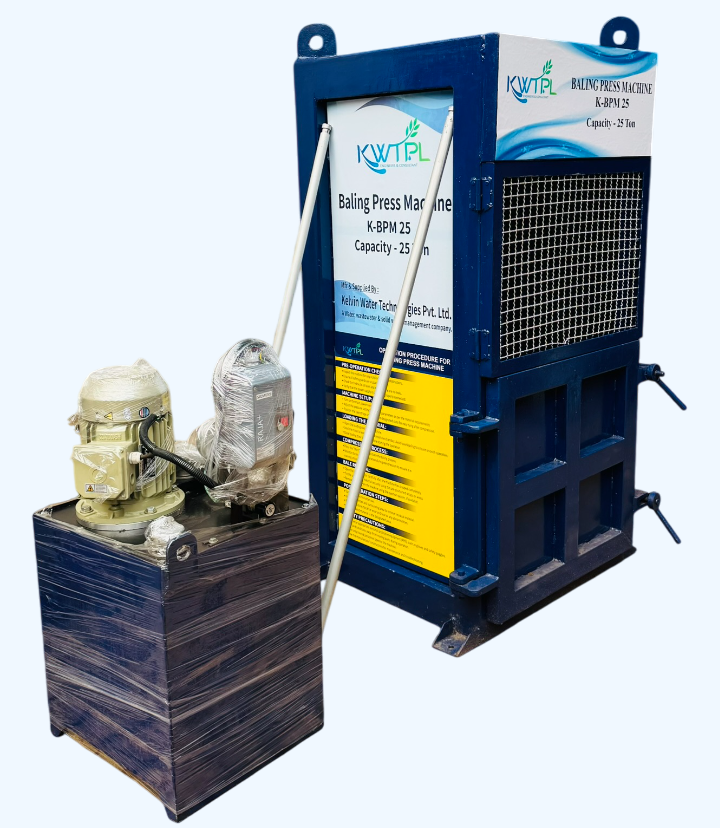
India is grappling with a sharp rise in plastic waste, particularly polyethylene terephthalate (PET) bottles used for water, soft drinks, juices, detergents, and other common beverages. With environmental regulations tightening and recycling demand growing, baler machine have become critical tools for compressing, handling, and managing plastic bottle waste efficiently. Baler machines not only help recycling businesses but also support industrial units, waste processors, municipalities, and sustainability initiatives across the country.
What Is a Baler Machine?
A baler machine is industrial equipment designed to compress materials into dense, compact bales that are easy to handle, store, transport, and recycle. In the context of plastic bottles, these machines reduce loose bottles into uniform blocks — reducing their volume drastically (often up to 75–90%) and making the recycling process more cost-effective.
Key Benefits of Baler Machines
- Volume Reduction: Plastic waste is compressed into dense bales, decreasing storage and transport costs.
- Recycling Value: Densified bales have higher market value for recyclers since they are easier to process.
- Operational Efficiency: Automated or semi-automated balers improve handling speed and workplace safety.
- Environmental Impact: Fewer truck trips and reduced landfill space usage help lower greenhouse gas emissions.
Types of Baler Machine Used for Plastic Bottles
In India, baler machines for plastic bottle waste are available in several configurations, each suited to specific volumes, settings, and process requirements:
a. Vertical Balers
Vertical balers are compact units where bottles are loaded from the top. They are ideal for medium to small recycling centres, warehouses, and commercial premises where floor space is limited. Pressing occurs vertically, pushing materials down into a cage or chamber.
b. Horizontal Balers
These are larger, industrial units that feed materials horizontally. They are suitable for high-volume operations like recycling facilities, industrial enterprises, bottling plants, and MRFs (Material Recovery Facilities). Horizontal balers often feature continuous feed systems and automatic bale ejection.
c. Twin-Chamber Balers
These advanced models allow alternating between two compartments — loading one while compressing in the other. This design boosts throughput and reduces idle time.
d. Fully Automatic & Semi-Automatic Balers
Modern balers range from manual units (requiring operator involvement) to fully automated systems with programmable logic controls (PLCs), automatic bale ejection, and sensors to optimize operations.
Working Principle of a Plastic Bottle Baler
The core working mechanism for baler machines typically involves:
- Loading: Plastic bottles (often with caps removed and liquids drained) are placed inside the chamber.
- Compression: A hydraulic or mechanical ram exerts high pressure (measured in tons) to compress the bottles into a compact bale.
- Strapping: Straps, wires, or baling bands are applied to secure the compressed bale.
- Ejection & Removal: Once ready, the bale is ejected (manually or automatically) and stored for transport or recycling.
Specifications & Considerations for India
When selecting a baler machine for plastic bottles in India, key specifications include:
- Pressing Force (Tons): For PET bottles, typical hydraulic presses range from 30–100+ tons.
- Bale Size & Weight: Bales might range from 600×600×800 mm to larger formats depending on material and model.
- Automation Level: Manual, semi-automatic, or fully automatic operation.
- Motor Power: Usually between 7.5 HP and 25 HP for different industrial needs.
- Build Quality: Industrial-grade mild steel ensures durability and longevity.
Applications of Plastic Bottle Balers
Baler machines for plastic bottles are used across:
- Recycling Centres
- Plastic Waste Collectors
- Manufacturing & Packaging Units
- Beverage & Bottling Plants
- Municipal Solid Waste Programs
- Shopping Malls and Large Commercial Complexes
The Indian Market for Baler Machine
India’s waste management ecosystem has been evolving due to increased regulatory focus, environmental awareness, and corporate sustainability goals. The central and state pollution control boards have been encouraging plastics recycling, segregation at source, and efficient handling — driving the demand for advanced baling solutions. Many Indian manufacturers and suppliers now offer customizable baler machines that cater to both small recyclers and large industrial clients.
Kelvin Water Technologies Pvt. Ltd. — Waste Management and Baling Solutions
Kelvin Water Technologies is a rapidly growing Indian company specializing in water, wastewater, and solid waste management solutions. With a presence across India and a strong engineering team, Kelvin offers comprehensive solutions including baling press machines, wastewater treatment plants, sewage treatment systems, and other environmentally conscious technologies.
Kelvin’s mission is to deliver high-quality, cost-effective, and sustainable technologies that help industrial, commercial, and municipal clients manage waste efficiently while protecting the environment.
Kelvin’s Baling Press Machine
Kelvin Water Technologies’ baling machines are designed to compact plastics, PET bottles, paper, cardboard, metals, and other recyclable materials. These machines support industries, recycling facilities, and waste management services in optimizing waste handling and improving recycling yields.
Key Advantages of Kelvin’s Baling Solutions:
- High Compression Efficiency: Excellent compaction resulting in high-density bales.
- Energy-Efficient Operation: Designed to balance performance and power use.
- Customization: Machines tailored to client needs (tonnage, automation, and feed type).
- Service & Support: Spare parts availability and maintenance support to ensure longevity.
- Sustainability Focus: Supports companies in reducing landfill use and transportation emissions.
Kelvin’s Broader Waste Management Ecosystem
In addition to baler machines, the company provides:
- Effluent Treatment Plants (ETP)
- Sewage Treatment Plants (STP)
- Common Effluent Treatment Plants (CETP)
- Zero Liquid Discharge (ZLD) Systems
- RO & UF Water Treatment Plants
- Shredders and Organic Waste Converters
- Consultancy and Turnkey Project Execution
Choosing the Right Baler Machine in India
When investing in a baler system for plastic bottles, consider:
- Waste Volume: Higher volumes require industrial or automatic balers.
- Space Constraints: Vertical units are more space-efficient.
- Automation Needs: Full automation boosts throughput.
- Service & Maintenance: Local supplier support matters.
- Budget & ROI: Balance upfront cost with long-term savings from reduced transport and landfill fees.
Conclusion
Baler machines are indispensable tools for effective plastic bottle waste management in India. By helping reduce volume, improve recycling yield, and lower operational costs, balers play a pivotal role in advancing sustainability and circular economy goals. Companies like Kelvin Water Technologies Pvt. Ltd. enhance this landscape by providing tailored baling solutions alongside a broader suite of waste and water treatment technologies — supporting industries, municipalities, and environmental initiatives across India.