Effluent Treatment Plant Manufacturer Pune India
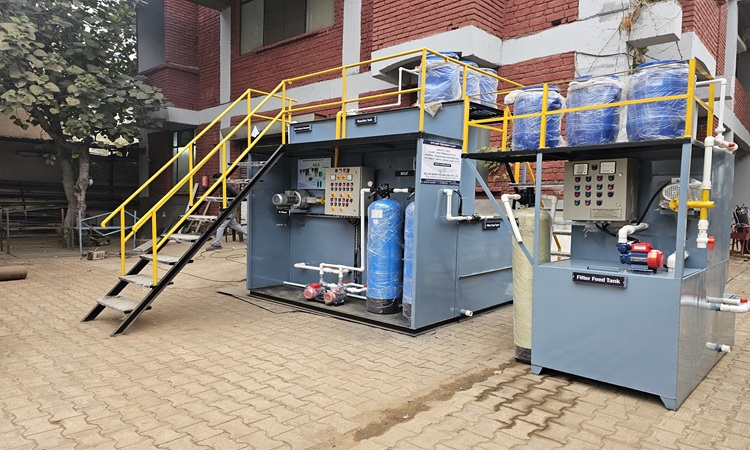
Introduction to Effluent Treatment Plants (ETPs)
Effluent Treatment Plants (ETPs) are engineered systems designed to treat wastewater generated from industrial, commercial, and institutional processes before it is discharged into the environment or reused within an industrial process. With rapid industrialization in India, cities such as Pune have seen increasing demand for sustainable wastewater management solutions that not only meet environmental compliance requirements but also support water reuse and conservation. Effluent water from chemical units, pharmaceuticals, textiles, food processing units, and other manufacturing operations contains contaminants such as organic matter, chemicals, heavy metals, and suspended solids that must be treated to strict regulatory standards. Proper ETPs play a key role in safeguarding natural water bodies, protecting public health, and helping industries achieve sustainability goals.
ETPs typically include physical, chemical, and biological processes. These may involve screening, equalization tanks, aeration, sedimentation, filtration, sludge handling, and disinfection. Advanced systems can also integrate membrane technologies or Zero Liquid Discharge (ZLD) components for higher efficiency and tighter discharge norms. Modern ETP solutions are often modular, fully automated, and capable of handling a range of capacities from small units to large industrial setups.
In Pune and across Maharashtra, several manufacturers and suppliers offer customizable effluent treatment systems. These companies design, fabricate, install, and maintain ETPs tailored for specific industrial effluent characteristics, capacity requirements, and local regulatory frameworks such as CPCB (Central Pollution Control Board) and MPCB (Maharashtra Pollution Control Board) standards.
Pune as a Hub for ETP Manufacturers
Pune, a major industrial and IT hub in western India, is home to a diverse array of manufacturing sectors that generate significant volumes of wastewater. Industries such as automotive component manufacturers, chemical units, pharmaceuticals, textiles, food processors, and educational institutions all require robust wastewater treatment solutions. This demand, combined with progressive environmental regulations, has attracted many ETP manufacturers to establish a presence in the region.
Key Capabilities of Pune-based ETP Manufacturers
1. Custom Engineering and Design:
ETP manufacturers in Pune focus extensively on customizing treatment systems based on the nature of wastewater, from low BOD (Biochemical Oxygen Demand) and COD (Chemical Oxygen Demand) streams to complex industrial effluents. Systems are designed to be modular, enabling easier installation and scalability.
2. Turnkey Project Execution:
Offerings include end-to-end services—site survey, wastewater characterization, engineering design, civil and mechanical construction, commissioning, and performance testing.
3. Compliance and Certification:
Plants are aligned with national and state environmental norms (CPCB, MPCB). Many suppliers provide documentation needed for environmental clearances and green certifications.
4. After-Sales Support and AMC:
Ensuring consistent long-term performance is a priority. Pune manufacturers often offer Operation & Maintenance (O&M) contracts and preventive care through Annual Maintenance Contracts (AMCs).
Some of these companies offer additional services such as Zero Liquid Discharge (ZLD) systems, Reverse Osmosis (RO) units, and sludge dewatering equipment, demonstrating a broad portfolio of water and wastewater management technologies.
Overview of Effluent Treatment Plant Technologies
Modern ETPs employ a variety of treatment technologies to ensure efficient and compliant performance:
1. Equalization and Balancing
Incoming wastewater streams are balanced in terms of flow and concentration, ensuring stable conditions for downstream processes.
2. Physical and Chemical Treatments
Processes like coagulation, flocculation, and sedimentation help remove suspended solids and reduce turbidity.
3. Biological Treatments
Aerobic and anaerobic biological processes break down organic pollutants. Technologies such as MBBR (Moving Bed Biofilm Reactor), SBR (Sequencing Batch Reactor), and MBR (Membrane Bioreactor) are frequently used for high-efficiency treatment.
4. Advanced Membrane Filtration
Processes like ultrafiltration (UF), nanofiltration (NF), and RO are used in tertiary treatment to enable water reuse and meet stringent discharge standards.
5. Sludge Handling
Post-treatment, the sludge generated from treatment processes is dewatered and managed according to environmental regulations.
6. Automation and Control
SCADA systems and programmable logic controllers (PLCs) help automate operations, monitor performance in real time, and optimize energy usage.
By combining these processes, ETPs can deliver treated water with significantly reduced pollutants, making it safe for discharge or reuse, depending on regulatory and operational needs.
Kelvin Water Technologies – A Leading ETP Manufacturer
About Kelvin Water Technologies
Kelvin Water Technologies Pvt. Ltd. is a well-recognized environmental engineering firm in India focusing on water, wastewater, and waste management solutions. Founded with a vision of sustainable water treatment and pollution control, the company has grown to serve a wide range of industrial and municipal sectors across India. Kelvin’s offerings span wastewater treatment (WWTP), Effluent Treatment Plants (ETP), Sewage Treatment Plants (STP), Zero Liquid Discharge (ZLD) systems, and additional water treatment technologies.
Kelvin’s approach emphasizes innovative design, high-quality manufacturing, and comprehensive service support. The company’s ETP solutions are engineered to efficiently treat complex industrial effluents while ensuring compliance with environmental standards such as CPCB and various state pollution boards. With capacities ranging from small-scale 1 KLD units to large installations of 100 MLD and above, Kelvin’s plants are suited for diverse applications including pharmaceuticals, chemicals, textiles, food and beverage processing, automotive, and more.
Core Strengths of Kelvin Water Technologies
1. Customized ETP Solutions:
Kelvin does not apply a “one-size-fits-all” model. Each effluent treatment plant is designed after detailed wastewater analysis and site evaluation, ensuring optimal performance for the client’s specific discharge profile.
2. Integrated Technologies:
The company integrates advanced technologies such as MBBR, SBR, MBR, and membrane systems (UF/RO) to enhance treatment efficiency, reduce footprint, and support water reuse initiatives.
3. In-House Manufacturing:
Kelvin manages fabrication of key ETP components in its facilities to maintain strict quality control and ensure long-lasting equipment reliability.
4. After-Sales and Maintenance:
Kelvin offers comprehensive service support including AMC, troubleshooting, spare parts supply, and operator training, reflecting its commitment to client success beyond installation.
5. Compliance and Certifications:
Its ETP systems are designed in compliance with CPCB and other environmental regulations. Kelvin’s infrastructure and process designs adhere to national and international quality standards.
Why Pune Industries Should Partner with Kelvin?
Although Kelvin’s headquarters are in Gurgaon, it serves clients all across India, including industries and projects near Pune, Maharashtra. Its deep technical expertise, experience with multiple industrial sectors, and turnkey project management capabilities make it a strong partner for businesses seeking reliable ETP solutions that deliver cost-effective compliance and operational excellence.
Conclusion
Effluent Treatment Plants are indispensable tools for modern industry, enabling sustainable wastewater management, regulatory compliance, and water reuse. Pune hosts a vibrant ecosystem of ETP manufacturers delivering tailored and efficient solutions for diverse industrial sectors. In this landscape, Kelvin Water Technologies Pvt. Ltd. stands out for its comprehensive capabilities, technology integration, and focus on quality and service. Whether for small capacity units or large industrial installations, partnering with experienced ETP manufacturers helps organizations navigate environmental challenges while supporting sustainable growth and environmental stewardship in India.