Organic Waste Composter Machine for Restaurants in India
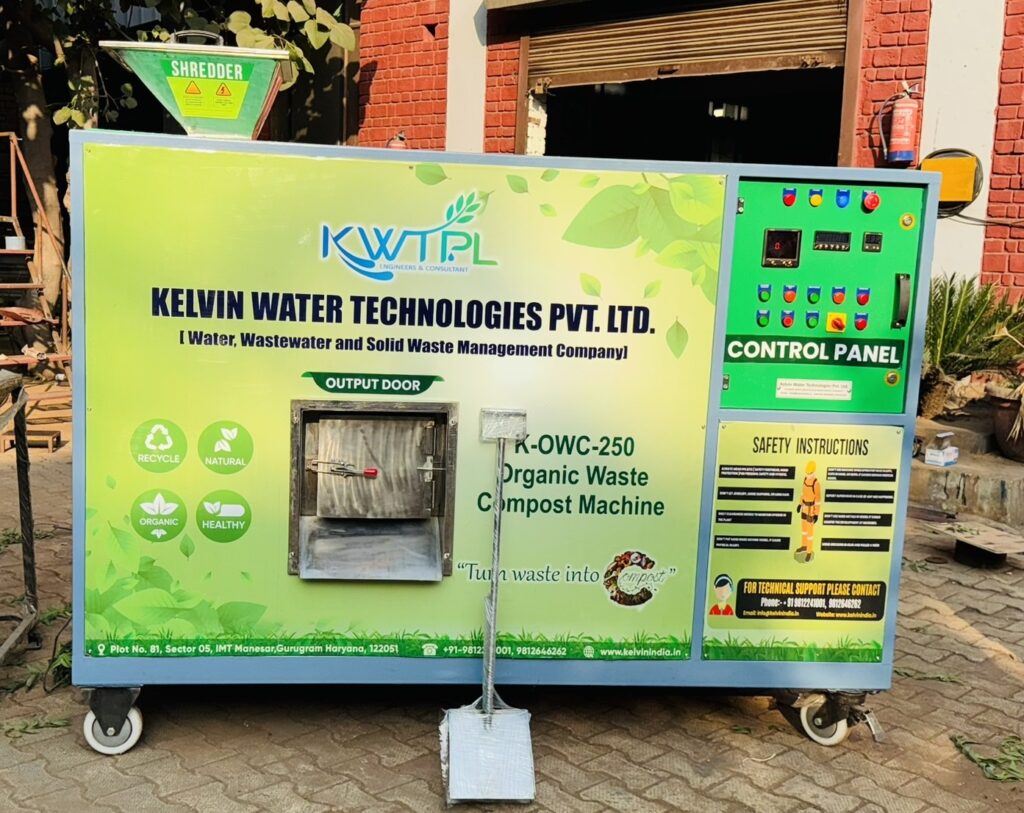
Restaurants generate large amounts of organic waste every day — from vegetable peels and fruit leftovers to food scraps and expired ingredients. Managing this waste effectively isn’t just about complying with regulations; it’s about adopting sustainable practices that reduce environmental impact, lower disposal costs, and contribute to a circular economy. In India, organic waste composter machines have emerged as smart, efficient solutions for restaurants looking to transform their food waste into useful compost.
Why Organic Waste Management Matters for Restaurants?
India generates millions of tonnes of food waste annually, and a significant portion of that comes from the hospitality sector. Traditional waste disposal methods such as landfilling or open dumping contribute to environmental pollution, foul odours, and greenhouse gas emissions like methane — a potent contributor to climate change.
For restaurants, poor waste management can lead to:
- Higher waste handling costs
- Bad odors attracting pests
- Regulatory notices or penalties
- Poor sustainability image among customers
What is an Organic Waste Composter Machine?
An Organic Waste Composter Machine (also known as an OWC) is a device that processes food waste and other organic materials into compost — a nutrient-rich soil amendment. These machines automate and accelerate the natural decomposition process using controlled conditions such as temperature, aeration, and moisture.
Unlike traditional composting, which can take weeks or months, modern composter machines reduce processing time dramatically — transforming waste into usable compost in 24 to 72 hours, depending on the model and capacity.
How a Composter Machine Works?
Organic waste composter machines use a combination of:
- Shredding & Grinding: Breaks down large, tough food scraps into smaller pieces for faster decomposition.
- Aeration & Mixing: Ensures oxygen supply for microbial activity.
- Controlled Heating: Speeds up breakdown of waste and eliminates pathogens.
- Moisture Control: Maintains optimal humidity for efficient composting.
- Microbial Action: Beneficial microbes break down waste into stable organic matter.
Benefits of Organic Waste Composter Machines for Restaurants
a. Environmental Benefits
- Reduces organic waste sent to landfills
- Lowers greenhouse gas emissions
- Reduces reliance on external waste disposal contractors
- Produces compost that enriches soil and reduces chemical fertilizer use
b. Economic Benefits
- Saves on waste collection and disposal charges
- Reduces landfill tipping fees
- Generates compost for use or sale
- Enhances sustainability branding that attracts eco-conscious customers
c. Operational Benefits
- Reduces trash volume, freeing up space
- Eliminates foul odours associated with organic waste
- Creates a closed-loop waste management system within the restaurant
Easy, automated operation reduces manual handling
Features to Look For in a Restaurant Composter Machine
When choosing an organic waste composter for a restaurant in India, consider:
Capacity
Choose a machine that can handle your daily organic waste volume. Capacities range from 30 kg/day up to 500 kg/day+ for larger establishments.
Processing Time
Faster turnaround times (24–48 hours) help restaurants clear waste daily without storage backlog.
Automation
Fully automated machines with built-in sensors reduce labor and errors. Features such as auto shut-off, alarms, and touch-screen controls are valuable for busy kitchens.
Energy Efficiency
Low power consumption and options for solar integration help minimize operational costs.
Odor Control
Advanced filtration and sealed build systems ensure a clean, odour-free environment.
Maintenance
Easy-to-clean, durable construction with minimal moving parts ensures long service life.
Application Scenarios in Restaurants
Restaurants can install organic waste composter machines in:
- Kitchen areas for immediate waste processing
- Service zones where food scraps are collected
- Backyards or utility areas where processed compost can be stored before use
These machines are suitable for:
- Fine-dining restaurants
- Cafés and bistros
- Catering services
- Food courts and malls
- Cloud kitchens and commissaries
Compliance with Indian Regulations
Under the Solid Waste Management Rules, 2016, establishments including restaurants are required to segregate waste at the source and ensure organic waste is processed scientifically. Installing a composter machine helps restaurants comply with these rules and avoid penalties.
Additionally, urban municipalities incentivize businesses to adopt eco-friendly waste management practices that align with Smart City initiatives.
Kelvin Water Technologies: A Leader in Organic Waste Composting Solutions
Kelvin Water Technologies is a prominent Indian company recognized for its comprehensive environmental solutions, particularly in wastewater and solid waste management. They specialize in designing, manufacturing, and supplying advanced systems that help businesses achieve sustainability goals effectively.
While KWT is widely known for its Sewage Treatment Plants (STPs) and Effluent Treatment Plants (ETPs), the company also offers innovative Organic Waste Composter Machines tailored for commercial use, including restaurants.
KWT’s Organic Waste Composter Machine
Kelvin Water Technologies provides composter machines designed to suit the needs of modern restaurants in India. Their solutions focus on:
Smart Automation
KWT’s composters are equipped with intelligent control systems that ensure efficient processing with minimal human intervention. Automated cycles optimize temperature, aeration, and moisture for quick compost generation.
High Throughput
The machines come in various models capable of handling daily organic waste volumes typical of small to large restaurants.
Eco-friendly Design
Built with energy efficiency and odour control in mind, KWT composters operate cleanly and quietly — making them suitable for kitchen areas or service backrooms.
Durable Build
Made from sturdy materials resistant to wear and tear, these machines are designed for continuous use in high-demand environments.
Benefits of Choosing KWT Composters for Restaurants
1. Local Expertise
KWT understands the specific challenges restaurants face in India — from monsoon humidity to varying waste compositions — and designs solutions accordingly.
2. After-Sales Support
Kelvin Water Technologies offers comprehensive installation, training, and maintenance support, ensuring restaurant staff can operate the machines confidently.
3. Integrated Sustainability Approach
For restaurants that already use KWT’s wastewater solutions (such as STPs), adding a composter machine creates a holistic waste management framework covering both liquid and solid organic waste.
4. Customization Options
KWT can tailor solutions based on restaurant size, daily waste volume, and operational constraints.
Installation and Operational Tips for Restaurants
To maximize the benefits of an organic waste composter, restaurants should:
- Segregate waste at the source — organic from inorganic, recyclables, and hazardous waste.
- Train staff on how to load and operate the composter machine.
- Schedule daily processing to avoid buildup.
- Use generated compost in plant nurseries, rooftop gardens, or partner with local farms.
- Monitor performance regularly to catch issues early and maintain efficiency.
Conclusion
Organic waste composter machines are transformative for restaurants in India — offering environmental benefits, cost savings, regulatory compliance, and operational efficiency. With rising focus on sustainability in the hospitality industry, adopting such technology is not just a trend but a strategic imperative.
Kelvin Water Technologies stands out as a reliable partner in this journey, providing robust, efficient, and locally optimized composter solutions tailored to restaurant needs.
By integrating composter machines into daily operations, restaurants can significantly reduce their organic waste footprint, generate valuable compost, and enhance their reputation as environmentally responsible businesses.