Effluent Treatment Plant Technology — MBBR/ASP in India
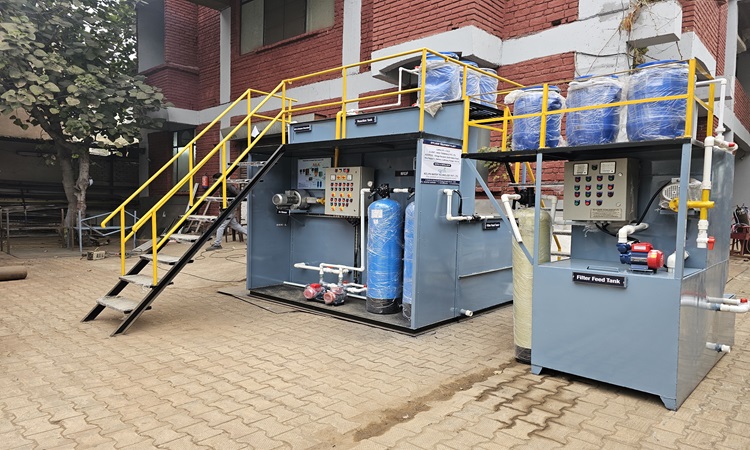
Effluent treatment has become a critical environmental necessity in India’s industrial and urban sectors. With rapid industrialization, population growth, and stricter environmental norms, industries are under increasing pressure to manage wastewater efficiently and sustainably. Among the most effective technologies for treating industrial and municipal effluent are the Moving Bed Biofilm Reactor (MBBR) and the Activated Sludge Process (ASP). Both technologies play a pivotal role in ensuring quality wastewater treatment, compliance with regulatory standards, and environmental protection. This article delves deeply into MBBR and ASP technologies in India, their features, advantages, challenges, and how Kelvin Water Technologies contributes to innovative ETP solutions.
Introduction to Effluent Treatment Plants in India
Effluent Treatment Plants (ETPs) are engineered systems designed to treat wastewater by removing physical, chemical, and biological contaminants before discharge or reuse. In India, effluent treatment is governed by environmental regulations stipulated by the Central Pollution Control Board (CPCB) and State Pollution Control Boards (SPCBs). Industries ranging from textiles, pharmaceuticals, and tannery to food processing and metal plating rely on ETPs to ensure compliance with discharge standards and minimize environmental impact.
Investments in advanced ETP technologies like MBBR and ASP reflect India’s commitment to sustainable development and pollution control, especially under initiatives such as the Swachh Bharat Mission and the National Water Mission.
Overview of Activated Sludge Process (ASP)
The Activated Sludge Process (ASP) is one of the oldest and most widely used biological wastewater treatment technologies. It relies on a mixed community of microorganisms that breaking down biodegradable contaminants in wastewater under aerobic conditions.
1 Core Principles of ASP
- Aerobic biological degradation: Microorganisms consume organic pollutants in the presence of oxygen.
- Return Activated Sludge (RAS): Settled biomass (sludge) is recycled back to the aeration tank to maintain microbial population.
- Clarification: After aeration, wastewater flows into a secondary clarifier to separate treated effluent from biomass.
2 Advantages of ASP
- Proven and reliable for a wide range of effluent types.
- High degradation efficiency for organic pollutants (BOD, COD).
- Relatively simple to operate in conventional settings.
3 Challenges with ASP
- Sensitive to shock loads and toxic influents.
- Requires large footprint due to longer detention times.
- Sludge management can be significant.
Moving Bed Biofilm Reactor (MBBR): The Next-Generation Biological Treatment
The Moving Bed Biofilm Reactor (MBBR) represents a modern approach to biological wastewater treatment. Developed in the late 1980s, MBBR combines traditional activated sludge principles with biofilm growth on high-density carrier media.
1 How MBBR Works
In an MBBR system:
- Special biofilm carrier media are suspended in the reactor through aeration.
- Microorganisms grow as biofilms on the carrier surfaces.
- Wastewater flows through the reactor, allowing contact with the biofilm where pollutants are degraded.
2 Key Features of MBBR
- Biofilm on carriers increases treatment capacity without increasing reactor size.
- The moving media exposes microbes to consistent oxygen and substrate.
- Can be combined with ASP or other tertiary treatment processes.
3 Advantages of MBBR
- Smaller footprint compared to conventional ASP.
- Higher tolerance to shock loads and influent variability.
- Lower sludge production due to biofilm dynamics.
- Efficient nitrogen removal (with advanced configurations).
4 MBBR in Indian Context
India’s high population density, limited land availability, and increasing wastewater load make MBBR an ideal solution for many industrial and municipal applications. MBBR is especially popular in sectors like dairy, distilleries, pharmaceutical, and municipal townships where space constraints and performance reliability are major considerations.
Comparing MBBR and ASP
| Feature | Activated Sludge Process (ASP) | Moving Bed Biofilm Reactor (MBBR) |
| Footprint | Requires larger area | Compact design, smaller footprint |
| Sludge Production | Higher | Lower |
| Aeration Efficiency | Moderate | High due to carrier movement |
| Shock Load Handling | Less tolerant | More tolerant |
| Operational Complexity | Simpler | Moderate |
| Capital Cost | Lower initial cost | Slightly higher but cost-effective overall |
Applications of MBBR & ASP in Indian Industries
1 Municipal Wastewater Treatment
Urban centres in India generate massive quantities of sewage. MBBR systems are increasingly adopted in municipal ETPs because of their ability to handle fluctuating loads and reduce footprint.
2 Textile and Dyeing Industry
Complex effluents with high COD and colour require robust biological treatment. MBBR combined with activated sludge processes enables efficient organic removal and colour reduction.
3 Pharmaceutical and Chemical Effluent
Due to toxic components and variable influents, ASP alone may struggle. Advanced MBBR systems, often paired with pre-treatment, offer consistent performance.
4 Food Processing, Distillery & Dairy
Effluents with high BOD and COD benefit greatly from MBBR’s enhanced biofilm efficiency, resulting in improved effluent quality and regulatory compliance.
Kelvin Water Technologies: Leader in ETP & Advanced Treatment Solutions
Kelvin Water Technologies is a renowned water and wastewater treatment solutions provider in India. With expertise spanning design, engineering, installation, and commissioning, Kelvin Water Technologies delivers customized ETP solutions using both MBBR and ASP technologies tailored to diverse industrial needs.
1 Company Vision and Expertise
Kelvin Water Technologies focuses on sustainable and compliant wastewater treatment systems that align with environmental regulations. Their engineering team specializes in:
- Designing efficient ETPs using MBBR/ASP technology
- Modular solutions for industrial applications
- On-site installation and operational support
2 Kelvin’s MBBR-Based ETP Solutions
Kelvin Water Technologies offers advanced MBBR systems that leverage high-quality carrier media and optimal aeration design to maximize biological degradation with minimal footprint. Their MBBR systems are engineered to handle:
- High organic loads (BOD/COD)
- Variable industrial influents
- Space-constrained environments
3 Combined MBBR + ASP Systems
Recognizing that different effluent streams require different treatment dynamics, Kelvin Water Technologies also engineers hybrid MBBR + ASP systems that:
- Achieve higher biological treatment efficiency
- Provide greater process stability
- Reduce sludge generation
4 Turnkey ETP Implementation
Kelvin Water Technologies provides end-to-end ETP solutions which include:
- Site assessment and process selection
- Civil and mechanical engineering design
- Installation and commissioning
- Operation & maintenance support
Implementation Challenges and Solutions
1 Skilled Operation and Maintenance
Both MBBR and ASP require trained operators for optimal performance. Kelvin Water Technologies addresses this through operational training and support services.
2 Cost Considerations
Initial costs for advanced systems like MBBR may appear higher, but lifecycle benefits—such as reduced land use and lower sludge handling costs—provide economic advantages over time.
3 Regulatory Compliance
Meeting effluent standards for discharge to surface water or sewer requires precise process control. With engineered ETP designs and real-time monitoring solutions, Kelvin Water Technologies ensures compliance with CPCB norms.
Future Trends in ETP Technology in India
The future of effluent treatment in India is shifting toward:
- Automation and SCADA control systems
- Hybrid biological systems (MBBR + moving bed granular reactors)
- Resource recovery and wastewater reuse
- Energy-efficient aeration technologies
- Zero liquid discharge (ZLD) approaches
Conclusion
Effluent Treatment Plants employing MBBR and ASP technologies are central to India’s wastewater management landscape. While ASP remains a foundational biological treatment process, MBBR offers enhanced performance, compact design, and operational resilience that make it especially suitable for modern industrial and municipal challenges.
Kelvin Water Technologies stands out in this domain by providing customized, high-performance ETP solutions leveraging both MBBR and ASP technologies. Their expertise in design, implementation, and service support positions them as a key contributor to India’s sustainable wastewater management ecosystem.