Hydraulic Baling Press Manufacturer
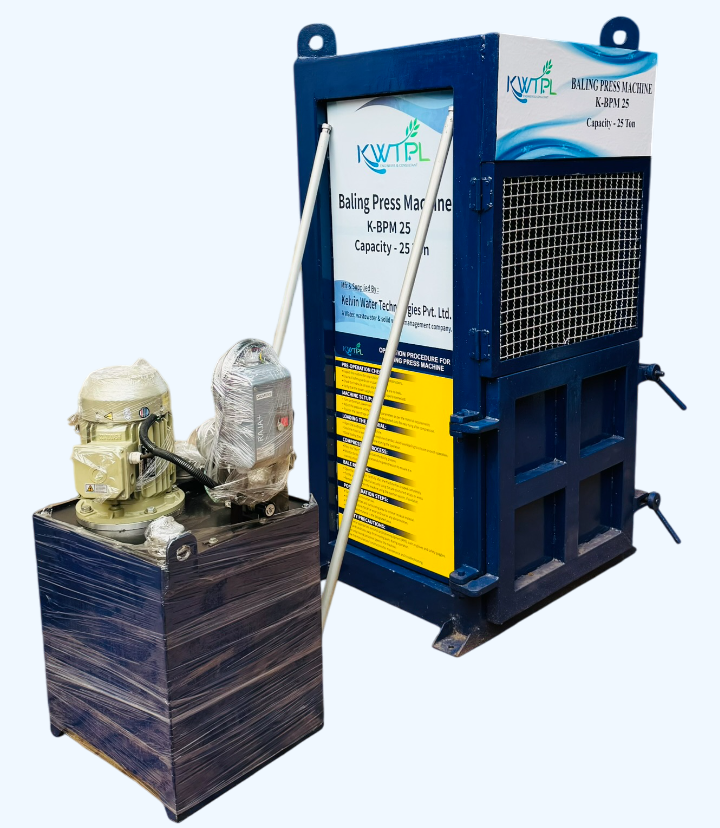
Hydraulic baling presses have become indispensable in modern recycling and waste management operations. As industrial facilities strive to manage waste efficiently, reduce operational costs, and support environmental sustainability, choosing the right hydraulic baling press manufacturer plays a pivotal role. This article explores what a hydraulic baling press is, its benefits, the key features to look for, how to select the right manufacturer, and how industry leaders like Kelvin Water Technologies contribute to overall waste handling and environmental solutions.
What is a Hydraulic Baling Press?
A hydraulic baling press is a machine used to compress and bind recyclable materials such as cardboard, paper, plastics, textiles, and metal scrap into tightly compacted bales. These bales are easier to store, transport, and sell to recycling facilities. Hydraulic balers leverage fluid pressure produced by hydraulic systems to apply force, resulting in high compression ratios and uniform bale sizes.
Unlike mechanical or manual balers, hydraulic baling presses deliver consistent compression power, making them suitable for heavy-duty applications in industries such as manufacturing, packaging, logistics, supermarkets, recycling centers, and waste management facilities.
Key Benefits of Hydraulic Baling Presses
1. Efficient Space Optimization
Hydraulic balers compress large volumes of waste into compact bales. This greatly reduces the space needed for storage and minimizes clutter in production and warehouse areas.
2. Enhanced Operational Efficiency
By automating the compaction process, hydraulic baling presses reduce manual labor and accelerate waste handling workflows. Faster processing translates into lower labor costs and improved operational performance.
3. Improved Safety
Manual handling of bulky waste can lead to workplace injuries. Hydraulic balers reduce the risk by streamlining the compression process and eliminating the need for repetitive manual tasks.
4. Better Recycling Revenue
Compacted bales are preferred by recycling and waste disposal companies. High-density bales lead to better resale value and more efficient transport, ultimately increasing revenue for businesses.
5. Reduced Transportation Costs
When waste volumes are reduced through compaction, fewer transport trips are needed. This reduces fuel consumption, lowers carbon emissions, and cuts overall logistics expenses.
Features to Consider in a Hydraulic Baling Press Manufacturer
When selecting a hydraulic baling press supplier, understanding the manufacturer’s expertise, product range, quality standards, and after-sales support is crucial. Here are key factors to evaluate:
1. Product Customization
Different industries and facilities have unique requirements based on material type, volume, and space constraints. The best hydraulic baling press manufacturers offer customization options for bale size, chamber dimensions, cycle times, and hydraulic power ratings.
2. Quality & Build Standards
Material quality, welding precision, hydraulic system components, and control systems determine machine longevity. Choose manufacturers that follow international quality standards (e.g., ISO certification) and use high-grade components to ensure reliable performance.
3. Technical Expertise
Manufacturers with extensive engineering experience can provide better designs, efficient hydraulic systems, durable frames, and advanced control panels. A technically proficient manufacturer can also help you select the right model for your operational needs.
4. After-Sales Service & Support
Hydraulic presses require regular maintenance, occasional part replacements, and timely technical assistance. A manufacturer with strong after-sales service, spare parts availability, and remote or onsite support ensures minimal downtime.
5. Warranty & Compliance
Reliable manufacturers offer warranties on machine parts and hydraulic components. Compliance with safety regulations and electrical standards demonstrates a manufacturer’s commitment to quality and user safety.
Hydraulic Baling Presses in Different Industries
Hydraulic baling presses are versatile and serve several industry applications, including:
1. Paper & Cardboard Recycling
Paper mills, packaging companies, and print shops generate significant quantities of paper waste. Hydraulic balers are ideal for compacting waste paper, cardboard boxes, and corrugated materials before recycling.
2. Plastic & Polymer Processing
Plastic waste from packaging, industrial operations, and logistics can be compacted into dense bales, offering easier handling and recycling potential.
3. Textile & Fabric Waste
Textile manufacturers and garment facilities use hydraulic balers to manage fabric off-cuts, yarn waste, and end-of-life textiles, helping enhance sustainability.
4. Metal Scrap Handling
Light metal scraps such as aluminium and steel pieces can be baled for efficient storage and resale to recycling plants.
5. Retail & E-Commerce Warehouses
Retail outlets, supermarkets, and e-commerce fulfillment centers use hydraulic balers to manage packaging waste generated from daily operations.
Choosing the Right Manufacturer: A Checklist
| Factor | What to Verify |
| Product Range | Does the manufacturer offer models for your specific waste type and volume? |
| Customization | Can they customize bale size, compaction force, cycle times? |
| Quality Assurance | Are materials, welds, and hydraulic components high quality? |
| Technical Support | Do they provide installation, training, service, and spare parts? |
| Safety Compliance | Are safety guards, emergency stops, and electrical controls up to standards? |
| Warranty | Is there a warranty on hydraulic systems and electrical components? |
Kelvin Water Technologies: Waste Management Beyond Balers
Kelvin Water Technologies is known primarily for its advanced water and wastewater treatment solutions, but its commitment to environmental sustainability extends to comprehensive waste handling strategies. While Kelvin Water Technologies doesn’t specialize in hydraulic baling presses themselves, their expertise complements industrial facilities that implement balers.
1. Integrated Waste & Water Solutions
Facilities that handle solid waste compaction through baling often generate wastewater from cleaning, food processing, or industrial operations. Kelvin Water Technologies offers sewage treatment plants (STPs), effluent treatment plants (ETPs), and organic waste composting solutions that help manage liquid waste streams in harmony with solid waste management systems.
2. Environmental Compliance
Kelvin Water Technologies ensures that its water treatment systems help industrial clients achieve compliance with environmental regulations. When combined with solid waste compaction equipment like hydraulic balers, businesses can adopt a holistic sustainability framework.
3. Customized Solutions
Just as leading hydraulic baling press manufacturers offer customizable machines, Kelvin Water Technologies provides tailored solutions based on wastewater characteristics, flow rates, plant capacity, and site conditions. This customization makes them a strong partner in overall environmental management.
4. Zero Waste Strategy
Many modern industries adopt a zero waste strategy — minimizing landfill disposal by recycling, composting, resource recovery, and efficient water reuse. Hydraulic baling presses help reduce solid waste volumes, while Kelvin Water Technologies’ solutions treat wastewater efficiently, minimizing environmental impact from both liquid and solid waste streams.
Maintenance & Operational Tips for Hydraulic Balers
No matter how advanced the baler, effective maintenance practices ensure optimal life and performance:
1. Daily Inspection
Check hydraulic fluid levels, pressure gauges, and seals for leaks. Inspect bale ejection systems, control panels, and safety guards.
2. Scheduled Servicing
Follow the manufacturer’s service schedule for replacing filters, testing pump performance, and adjusting parts.
3. Train Operators
Proper training on machine operation, safety procedures, and emergency stops reduces the risk of accidents.
4. Prompt Repairs
Address any unusual noise, slow cycle times, or hydraulic pressure drops immediately to prevent bigger issues.
Conclusion
A hydraulic baling press manufacturer plays a critical role in helping industries manage solid waste effectively, reduce storage space, lower transportation costs, and improve recycling outcomes. When selecting a manufacturer, prioritize quality, customization, support, and compliance to ensure the machine meets your operational needs.
Although companies like Kelvin Water Technologies may not manufacture baling presses, their expertise in wastewater and environmental systems complements solid waste management strategies. Together, advanced compaction equipment and robust environmental solutions help industries achieve operational efficiency, environmental compliance, and sustainable growth.